If ranch and equestrian living is calling your name, Santa Rosa Valley offers a setting that feels distinctly different from a typical suburban home search. You may be looking for room to keep horses, space for arenas or barns, or simply a property where land matters as much as the house itself. This guide will help you understand what makes Santa Rosa Valley unique, what to evaluate before you buy or sell, and how to approach the process with more confidence. Let’s dive in.
Why Santa Rosa Valley Appeals to Equesestrian Buyers
Santa Rosa Valley is recognized by Ventura County as a rural residential community with a strong equestrian identity. That matters because the area’s character is not accidental. It is shaped by larger lots, horse-oriented improvements, trail easements, and a long-standing pattern of rural residential use.
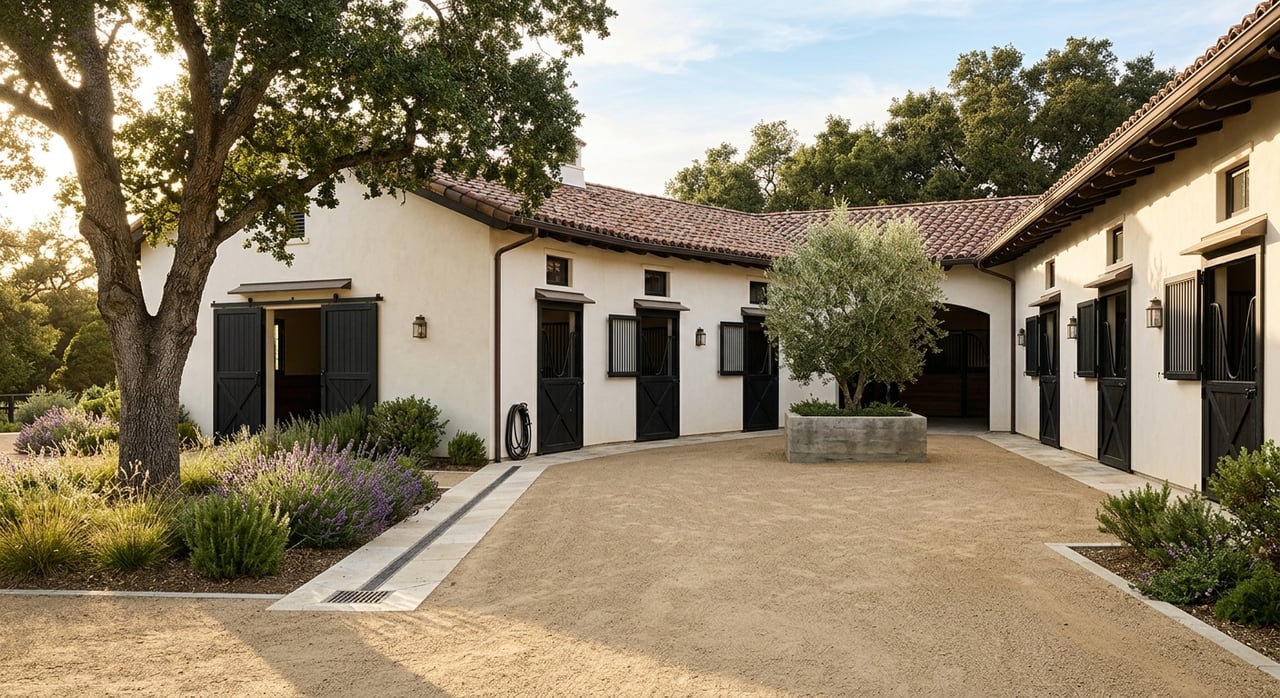
Many homes in the area include features that support horse ownership, such as barns and arenas. Ventura County’s Santa Rosa Valley Trail Master Plan also notes a trail system that includes equestrian routes and bikeways. For buyers who want both private horse facilities and access to the surrounding area, that combination can be a major draw.
Santa Rosa Valley Park adds to that lifestyle appeal. The county says the park includes 50 acres of open space suitable for horseback riding, two equestrian riding areas, a training area, horse-trailer parking, and trail access. If you want everyday functionality, not just a scenic setting, these details matter.
What Ranch Living Means Here
In Santa Rosa Valley, ranch living usually means more than owning a large home on a big lot. It often means living in a rural setting where land use, animal keeping, access, utilities, and property improvements all play a bigger role in your decision.
Ventura County’s General Plan describes the Rural designation as intended for low-density and low-intensity uses. That can include residential estates of two acres or greater, agricultural or horticultural uses, and the keeping of farm animals for recreational purposes. In practical terms, many buyers here need to think about the land’s function, not just its appearance.
That is one reason properties in Santa Rosa Valley are often evaluated differently from tract homes. A beautiful house still matters, but so do usable acreage, topography, trail connectivity, animal facilities, and the property’s overall setup for your goals.
Understand Zoning Before You Fall in Love
One of the most important steps in buying a ranch or equestrian property is verifying the parcel’s zoning and allowed uses. In an area like Santa Rosa Valley, assumptions can create expensive surprises.
Ventura County uses several rural zoning categories that can affect how a property may be used. The county describes RA as a rural setting where a wide range of agricultural uses are permitted, RE as rural residential areas with horticultural activities, and RO as single-family estates where a rural atmosphere is maintained by horticultural activities and animals for recreational purposes.
Those distinctions matter if you plan to keep horses, expand facilities, add structures, or use the land in a more active way. Ventura County also regulates equines, horse keeping, and equestrian centers separately, and allowable animals are scaled by lot size. In some cases, larger horse operations may require conditional-use review.
Before moving forward, it is wise to confirm parcel-specific details through Ventura County’s What’s My Zoning tool. Since Santa Rosa Valley is in unincorporated Ventura County, this kind of parcel review should be part of your early due diligence.
Evaluate the Land as Carefully as the House
In Santa Rosa Valley, the land often deserves equal billing with the residence. A home can photograph beautifully and still be a poor fit if the parcel layout does not support how you want to live.
When you tour a property, pay attention to practical details such as:
- Lot size and usable flat areas
- Existing barns, corrals, arenas, or turnouts
- Trailer access and maneuvering space
- Fencing and separation of use areas
- Slope, drainage, and soil conditions
- Trail access or easement connections
- Placement of structures in relation to defensible space needs
These details can affect both lifestyle and future costs. A property that looks ideal at first glance may need significant work to function well for horses or broader ranch use.
Water, Wells, and Septic Matter More Here
Utility due diligence is especially important on rural properties. In Santa Rosa Valley and the Camarillo area, water and sewer service can vary by location and provider, so it is important to verify how each property is served.
Camrosa Water District is one of the local providers in the area. Camrosa says its potable water system combines imported State Water Project water with local groundwater from the Tierra Rejada, Santa Rosa, and Pleasant Valley basins, along with separate non-potable irrigation and recycled-water systems.
For some rural properties, water supply and wastewater disposal may involve additional review. Ventura County Environmental Health says its Land Use Program reviews discretionary projects for domestic water supply and wastewater disposal, and it issues permits and certifications for septic systems and water wells.
The county also says potable water must be approved for building permits. Depending on the project, water-quality testing, soils reports, and septic feasibility may be required. If you are considering changes to a property, these issues should be explored early.
Rural Living Comes With Agricultural Compatibility
Part of the appeal of Santa Rosa Valley is its rural setting. That setting also comes with realities that buyers should understand before they commit.
Ventura County’s Agricultural/Urban Buffer Policy and Right-to-Farm Ordinance are intended to reduce conflicts at the agricultural edge. The county specifically notes that nearby farm activity can involve dust, noise, and odors as a natural result of living in or near agricultural land.
For some buyers, that is simply part of the lifestyle. For others, it may affect comfort or expectations. Knowing this in advance helps you choose a property that truly fits how you want to live day to day.
Wildfire Readiness Is Part of Ownership
Larger-lot and rural properties often come with added wildfire planning responsibilities. In Santa Rosa Valley, this is not a minor detail. It is a core part of safe ownership and, in some cases, the sales process.
Ventura County Fire says its Fire Hazard Reduction Program requires annual defensible-space maintenance for properties in the program. County fire guidance also references 100 feet of defensible space around structures.
For sellers, this can directly affect transaction preparation. Ventura County Fire’s AB 38 real estate inspection guidance says sellers of homes in High or Very High Fire Hazard Severity Zones must provide defensible-space compliance documentation. If you are preparing to sell, this is one of the items to address early rather than late.
Financing Can Look Different for Horse Properties
Financing a ranch or equestrian property is often more nuanced than financing a standard suburban home. The biggest reason is that lenders and appraisers may treat these properties differently depending on how the land is used.
Fannie Mae says it does not purchase or securitize mortgages on agricultural properties such as farms or ranches, though eligible residential properties in rural settings may still have accessory agricultural characteristics. That distinction matters because a residential horse property may be financeable in a way that an income-producing agricultural operation is not.
Fannie Mae also notes that rural markets can have limited comparable sales. As a result, appraisers may need to use older sales and analyze location effects carefully. This can influence value, underwriting, and how buyers and sellers set expectations.
USDA Rural Development may also be a financing option in some cases. The program provides 100% financing for qualifying borrowers in eligible rural areas, with eligibility determined by address and borrower qualifications.
What Buyers Should Do Before Making an Offer
If you are shopping for a ranch or equestrian property in Santa Rosa Valley, preparation matters. These homes can be wonderful opportunities, but they often require more careful review than a conventional home purchase.
A smart buyer checklist includes:
- Verify zoning and allowed uses by parcel
- Confirm how the property is served by water and wastewater systems
- Review existing permits or approvals for barns, arenas, wells, or septic systems
- Assess usable land, access, and layout for your intended use
- Understand nearby agricultural activity and compatibility rules
- Check wildfire zone issues and defensible-space requirements
- Ask early financing questions if the property has unusual land or use characteristics
This kind of preparation helps you avoid surprises and make cleaner decisions. It can also strengthen your offer strategy because you will better understand the property’s strengths and limitations.
What Sellers Should Highlight
If you are selling a ranch or equestrian property in Santa Rosa Valley, your marketing should go beyond square footage and interior finishes. Buyers in this segment often care just as much about function, compliance, and lifestyle fit.
Clear presentation can include details such as lot size, zoning context, trail access, horse facilities, parking for trailers, water service, and any documented improvements or permits. If your property is subject to wildfire documentation requirements, getting that handled early can also help the sale move more smoothly.
A well-prepared sale tells a complete story. It helps buyers understand not only what the home is, but also how the land works and why the property is valuable in this specific market.
Why Local Guidance Matters
Santa Rosa Valley is not a market where every property follows the same script. Parcel differences, zoning, utility setups, rural regulations, and equestrian features can all shape value and buyer demand.
That is why local, experienced guidance matters. Whether you are buying your first horse property, moving up to a larger ranch-style estate, or preparing to sell a land-rich home, you benefit from a process that is calm, organized, and detail-driven.
In a market like this, strong representation is about more than opening doors. It is about helping you ask the right questions, verify key facts early, and move forward with clarity.
If you are thinking about buying or selling in Santa Rosa Valley, The Dingman Group can help you navigate the details with steady guidance, local insight, and a polished approach tailored to your goals.
FAQs
What makes Santa Rosa Valley good for equestrian living?
- Santa Rosa Valley is recognized by Ventura County as a rural residential community with a strong equestrian component, with horse-oriented properties, equestrian routes, and park features that support horseback riding.
What should you check before buying a horse property in Santa Rosa Valley?
- You should verify parcel-specific zoning, allowed uses, water and wastewater service, permits for improvements, wildfire requirements, and whether the land layout works for your intended use.
How does zoning affect ranch properties in Santa Rosa Valley?
- Ventura County uses rural zoning categories such as RA, RE, and RO, and those categories can affect animal keeping, agricultural uses, and whether expanded horse operations may require additional review.
Why are wells and septic important for Santa Rosa Valley properties?
- Ventura County Environmental Health reviews domestic water supply and wastewater disposal for certain projects and issues permits and certifications for wells and septic systems, making these key due diligence items on rural parcels.
Can financing a Santa Rosa Valley equestrian property be harder?
- It can be more nuanced because rural properties may have limited comparable sales, and financing standards can differ depending on whether the property is primarily residential or considered agricultural in nature.
What should sellers prepare before listing a ranch property in Santa Rosa Valley?
- Sellers should organize information about zoning, horse facilities, utility service, permits, land use features, and any required defensible-space compliance documentation if the property is in a covered fire hazard zone.